Winter Moving in Ottawa: What to Know Before Moving Day
Winter does not shut down moving in Ottawa. People move in January, February, and March every year, and most moves go ahead without any major problems.
The part that can make a winter move difficult is getting everything from the truck to the door.
A driveway that looked fine the day before can be covered in fresh snow the next morning. A walkway can freeze overnight. Snowbanks can leave less room for a truck than expected. At a condo, the building may still have a fixed elevator booking even when the weather outside has changed.
None of this means you should avoid moving in winter. It just means the property needs a little more attention before the truck arrives.
For a residential move in Ottawa, good access is one of the simplest ways to make a winter moving day easier.
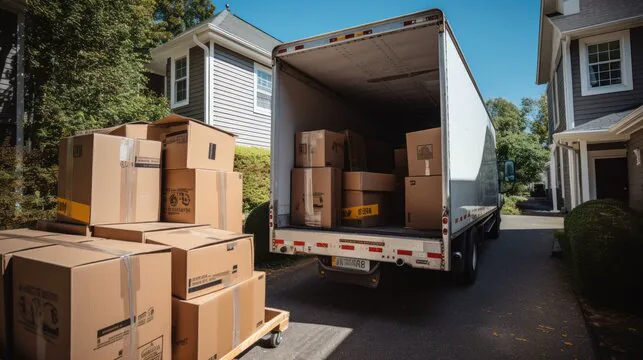
What to take care of before moving day
Start with the route the movers will actually use.
Clear the driveway, walkway, steps, and entrance. If the truck will be parked on the street, make sure there is enough room for the crew to work safely between the truck and the property.
Pay attention to snowbanks. After a few storms, Ottawa driveways can lose quite a bit of usable width even when the middle is completely cleared. A truck does not just need somewhere to park. Movers also need room to open the truck, carry furniture, and walk around it.
If there is ice, clear it or use an appropriate product for traction. Salt and other de-icing products can help, but they are not a substitute for removing heavy ice where possible.
It is also worth checking exterior doors. Snow and ice can build up around entrances, and a door that only opens partway can become surprisingly inconvenient when someone is carrying a sofa through it.
A quick pre-move checklist
- Clear the driveway or truck parking area.
- Clear the full walkway to the entrance.
- Remove snow from steps and landings.
- Treat slippery areas.
- Make sure doors can open fully.
- Move vehicles away from the loading area.
- Leave enough room around the truck for movers to work.
- Check everything again on moving morning.
That last point matters. Ottawa weather can change considerably overnight.
Don’t forget about the inside of the house
The first few trips from the truck will bring snow and water inside. By the twentieth trip, there can be quite a bit of it.
If you have hardwood, carpet, tile, or another finished floor that you want to protect, keep the main entrance as clear as possible. Floor runners or other protective materials can also be useful in high-traffic areas.
Try to keep one entrance available for the move rather than having people constantly walk through different parts of the house.
It helps to have somewhere near the entrance for wet boots and clothing as well. Movers will be going back outside repeatedly, so there is not much value in trying to keep every part of the house perfectly dry.
Condo and apartment buildings have the same issue, except the mess can extend into shared hallways and elevators. Building management may also have specific requirements for protecting those areas.
Condo and apartment moves need extra planning
Moving into a condo in Ottawa is not quite the same as moving into a detached house.
The building may require an elevator reservation, loading-dock booking, certificate of insurance, security deposit, or a specific moving window. Some buildings also have rules about which entrance movers can use.
Get those details confirmed before moving day.
This becomes particularly important in winter because bad weather does not necessarily mean the building will give you another time slot automatically. If your elevator is booked for Saturday morning and a major storm is expected, contact the building and the moving company as soon as you know there may be a problem.
For apartment and condo moves in Ottawa, the building’s schedule can be just as important as the weather forecast.
What about belongings that can freeze?
Most household items are perfectly fine being moved during an Ottawa winter.
There are some exceptions.
Items containing liquids or materials that can be damaged by freezing deserve more attention. Depending on the product, this can include certain cosmetics, cleaning products, paints, adhesives, medications, and other temperature-sensitive items.
If an item has specific storage instructions, follow them rather than assuming it will be fine in a cold truck.
You may also want to keep particularly important or temperature-sensitive belongings with you instead of putting them on the moving truck.
Be careful with cold electronics
Electronics can also require a little patience after a cold move.
A device that has been sitting in very cold temperatures can develop condensation when it is brought into a warm home. That is why it is a good idea to let cold electronics come back to room temperature before turning them on if condensation could be present.
The manufacturer’s instructions should take priority if they provide specific storage or operating requirements.
Will a winter move take longer?
It can, but there is no fixed amount of extra time that applies to every winter move.
A move between two houses with short, cleared driveways may be barely affected by the weather. Another move might take longer because the truck cannot get close to the entrance, the walkway is slippery, or snow has to be cleared before loading can continue.
Traffic is another factor. A significant snowfall can slow down the drive between the two properties, particularly during busy periods.
Winter daylight can matter too. If loading or unloading runs into the evening, visibility around steps, driveways, and parking areas becomes more important.
The usual factors still have a much bigger effect on moving time: how much you’re moving, stairs, elevators, parking, carrying distance, and the layout of the properties.
There is no useful rule that says a winter move automatically takes a certain percentage longer.
If you are trying to get an initial idea of the cost, the moving cost calculator can give you a starting point. A quote based on the actual properties will give you a more useful estimate.
What if a major snowstorm is coming?
A little snow is one thing. A major storm is another.
If Ottawa is expecting heavy snowfall, poor visibility, freezing rain, or conditions that could make the roads and properties unsafe, contact the moving company rather than waiting until the morning of the move.
The same applies if your property becomes inaccessible.
For example, if a rural property has a long private driveway that cannot be cleared, or a residential street becomes difficult to access after a major snowfall, that is useful information for the mover to have before the truck leaves.
Whether a move can continue, be delayed, or be rescheduled depends on the specific circumstances and the moving company’s policies.
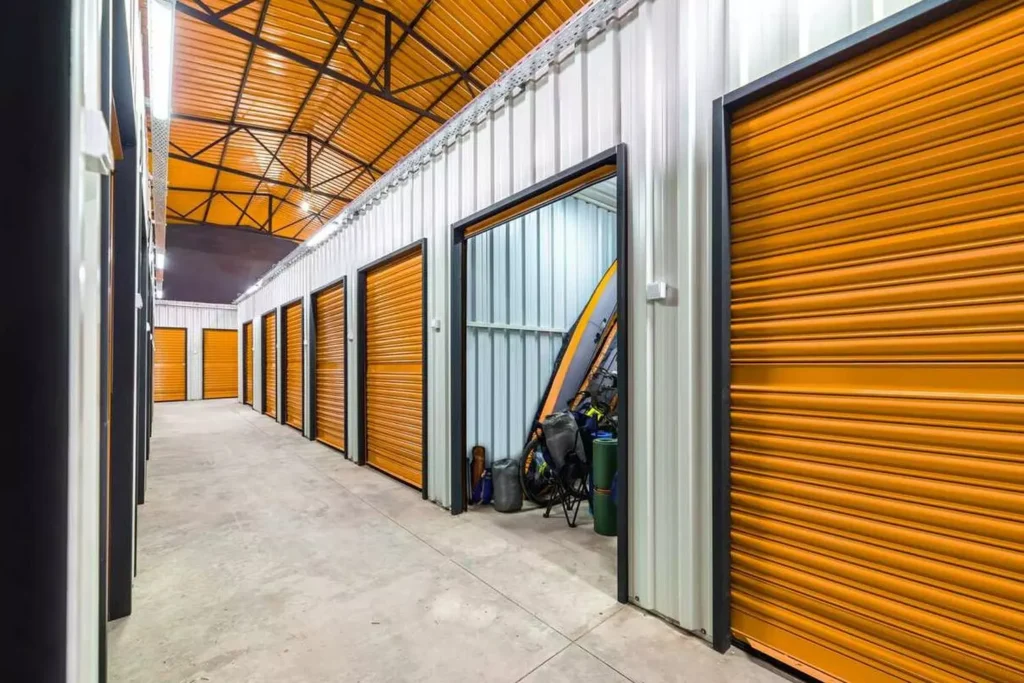
If the move has to be split across different days, moving and storage services in Ottawa may also be an option when you need somewhere to keep your belongings temporarily.
The earlier you raise the issue, the more options everyone is likely to have.
Different Ottawa properties have different winter problems
Not every winter move presents the same challenge.
Older homes in areas such as the Glebe, Centretown, or Sandy Hill can have narrow driveways, exterior steps, laneways, and limited parking. Snow can make an already tight access route considerably tighter.
Suburban homes may have long driveways. If snowbanks prevent the truck from getting close to the house, the carrying distance can increase.
Downtown condos often have a different problem. The truck may have reasonable street access, but the building could have a small loading area, a reserved elevator, or strict moving hours.
Rural properties outside Ottawa can require extra attention when a private driveway is long or has not been cleared after a storm.
Ottawa-Gatineau moves can also be affected by different road conditions on opposite sides of the river. If the weather is deteriorating, consider the entire route rather than only checking conditions at the starting point.
The useful question is not simply whether it is snowing.
Ask whether the truck can get where it needs to go and whether the crew has a safe route between the truck and the building.
A few days before the move
Once the forecast becomes reasonably reliable, take another look at the plan.
Check the property
Make sure the driveway, walkway, steps, and parking area are usable. If you are moving into a condo or apartment, confirm the elevator and loading arrangements again.
If you are relying on street parking, make sure there is actually somewhere for the truck to stop without creating an access problem.
Check the forecast
Snow in the forecast does not automatically mean the move needs to change.
Look at the timing and severity of the weather. A few centimetres of snow during the afternoon is a different situation from a major overnight storm followed by freezing temperatures.
If something significant is expected during your moving window, talk to the mover before moving day.
Set aside sensitive belongings
Put aside medications, important documents, valuables, and anything else you would prefer to transport yourself.
Separate anything that should not be exposed to freezing temperatures for an extended period.
On moving day
Give yourself enough time.
Do not wait until the movers arrive to discover that the driveway needs to be cleared or that a path to the front door is covered in ice.
Keep children and pets away from the loading area. Moving trucks, furniture, and slippery surfaces are not a good combination.
Make sure exterior lighting is working if the move could continue after dark.
And if conditions change during the day, let the crew know. A walkway that was clear in the morning can become slippery later as temperatures drop or snow gets packed down.
There is also no benefit to rushing furniture across an icy driveway just to save a few minutes. A careful move is more important than making up time.
Frequently Asked Questions
Do movers in Ottawa work during the winter?
Yes. Winter moving is normal in Ottawa. Movers work throughout the colder months, although snow, ice, and road conditions can affect access and travel time.
Does a winter move cost more?
Not automatically. Moving costs are generally based on factors such as the amount being moved, distance, stairs, elevators, parking, and accessibility. Winter weather can add time when it creates additional access or travel problems.
What should I do if my driveway is covered in ice?
Remove as much snow and ice as you reasonably can and treat slippery areas before the movers arrive. If the driveway cannot be made safely accessible, contact the moving company before loading starts.
What happens if it snows on moving day?
It depends on the conditions. Light snowfall may simply mean slower loading and unloading. Heavy snow, freezing rain, poor visibility, or unsafe roads can create a more serious problem.
If severe weather is expected, contact your mover early rather than assuming the move will proceed exactly as planned.
How far ahead should I book a winter move?
Book as early as practical, especially if you have a firm closing date, lease deadline, or condo elevator reservation.
There is no universal rule that says you must book a certain number of weeks ahead. Availability depends on the mover, time of year, move size, and date.
Can electronics be moved in freezing weather?
Yes, but cold temperatures and condensation should be considered. Follow the manufacturer’s storage instructions and allow cold electronics to reach room temperature before powering them on if condensation may have formed.
What should I clear before the movers arrive?
Clear the truck parking area, driveway, walkway, steps, and the route to the entrance. If possible, give the movers enough space around the truck to load and unload safely.
Check the route again on moving morning. Overnight snow and freezing temperatures can change the conditions.
The simplest way to prepare for a winter move
You do not need to do anything complicated.
Clear the route. Make sure the truck has somewhere safe to park. Confirm any condo or apartment building requirements. Separate belongings that should not be exposed to freezing temperatures. Then keep an eye on the forecast as moving day approaches.
Most winter moving problems are fairly ordinary. A blocked driveway, an icy walkway, a forgotten elevator reservation, or a truck that cannot get close enough to the entrance can cause more trouble than the temperature itself.
Take care of those things ahead of time and the weather becomes much less of a concern.
Winter is simply part of moving in Ottawa.